Yoga leggings have evolved from simple stretch garments into performance-driven essentials that influence comfort, flexibility, and confidence during daily movement. Whether practicing yoga, running errands, or spending long hours working remotely, individuals expect apparel that adapts seamlessly to their lifestyles. Many consumers struggle with transparency issues, fabric discomfort, limited durability, or inconsistent sizing — challenges that highlight the importance of understanding how quality leggings are designed and manufactured.
In today’s fast-paced, screen-dominated lifestyle, poor posture has quietly become one of the most common physical problems across all age groups. Long hours spent working at desks, scrolling on smartphones, driving, or even relaxing on couches often lead to rounded shoulders, forward head posture, back discomfort, and chronic muscle tension. Over time, these issues don’t just affect appearance — they can seriously impact daily comfort, mobility, and overall well-being. This is where a posture corrector enters the conversation.
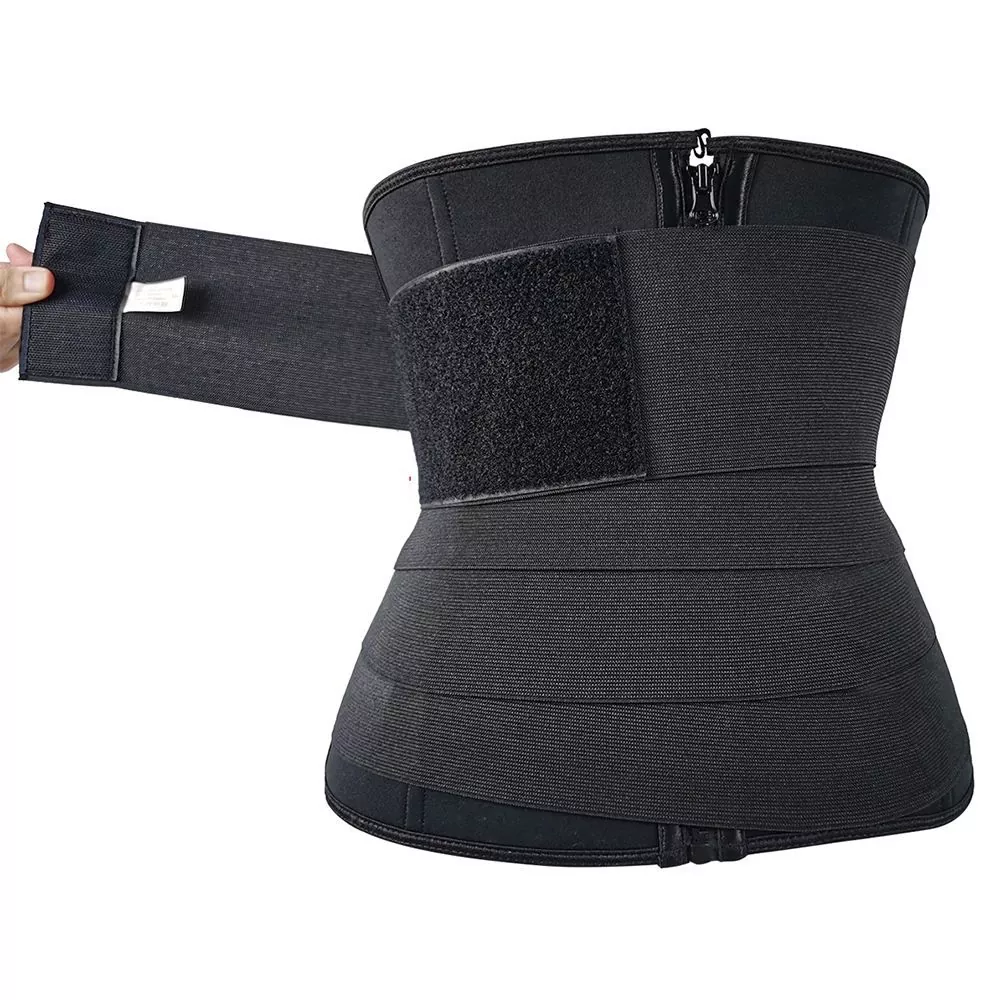
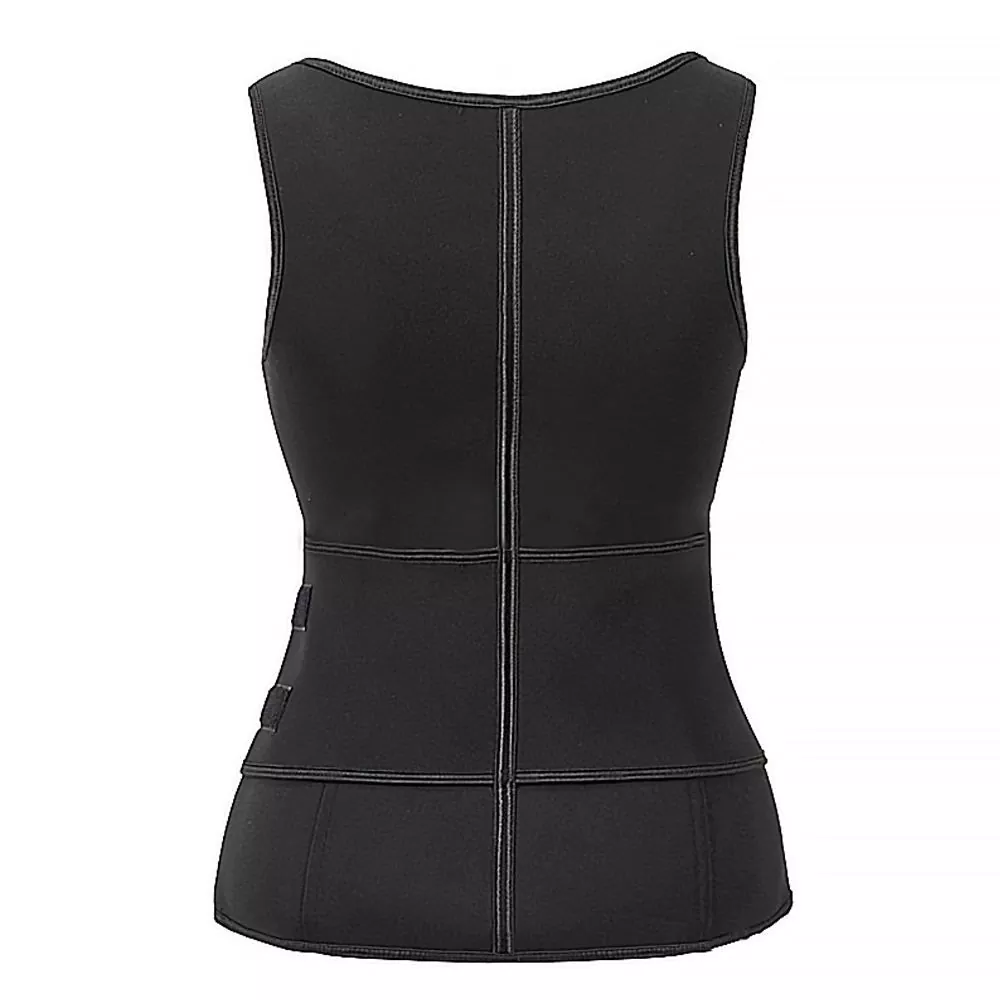
Lower back discomfort, prolonged sitting, heavy lifting, poor posture, and insufficient core strength have become common challenges in modern life. Whether you are an office worker, athlete, warehouse operator, or recovering patient, waist-related strain can significantly affect daily performance and long-term health. A Waist Support Belt is designed to address these issues by offering stability, compression, and structural support to the lumbar region, helping users move with confidence and reduced discomfort.
75% of office workers experience lower back pain from prolonged sitting, but studies show that properly using a lumbar support belt can reduce discomfort by 60% within two weeks.
In this article, we'll dive deep into the features, benefits, and technical specifications of high-quality waist support belts, helping you make an informed decision.
As someone who spends a lot of time on my feet and often deals with occasional back discomfort, I've found the Waist Support Belt to be a game-changer. You might wonder why this simple accessory is worth your attention. Let me share my personal experience and insights on the benefits and importance of Waist Support Belts, especially those from Ningbo Chendong Sports & Sanitarian Co., Ltd.
We use cookies to offer you a better browsing experience, analyze site traffic and personalize content. By using this site, you agree to our use of cookies. Privacy Policy


 11 2026-02
  03 2026-02
  29 2026-01
  26 2025-09
  28 2025-08
  08 2025-08