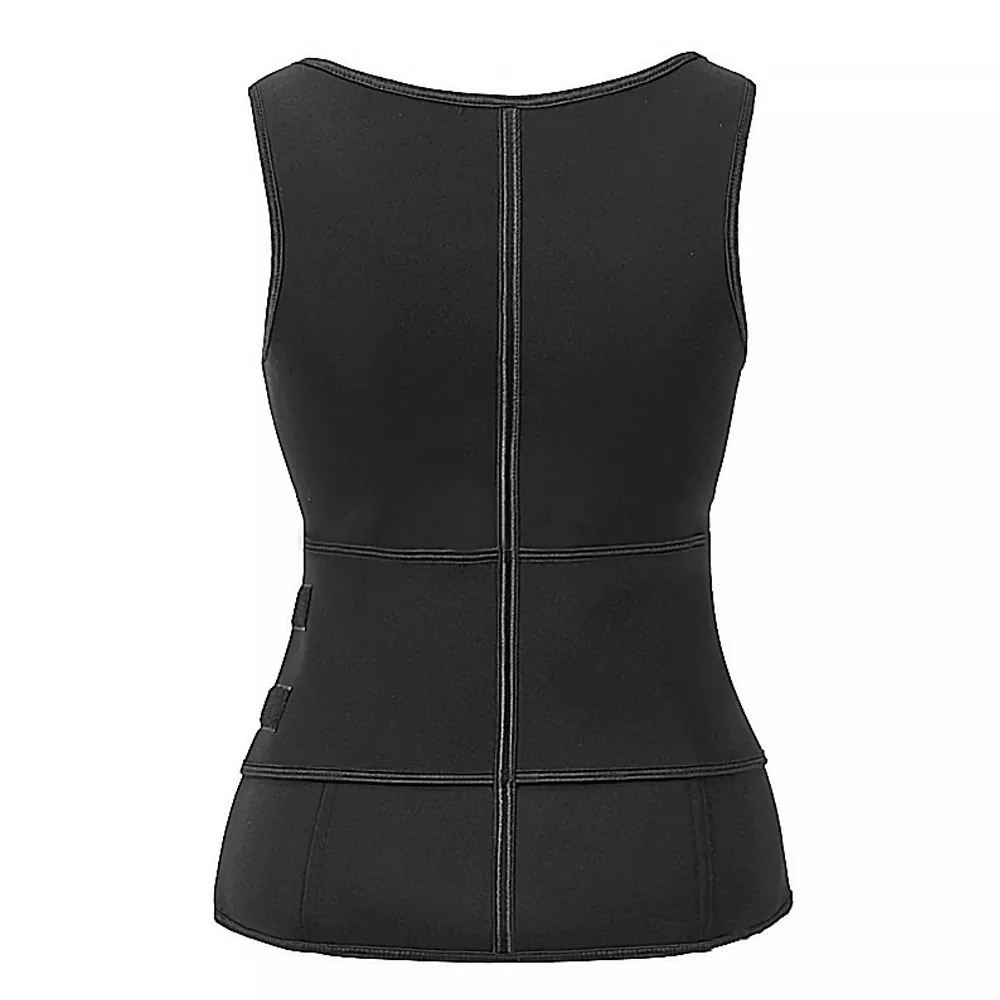
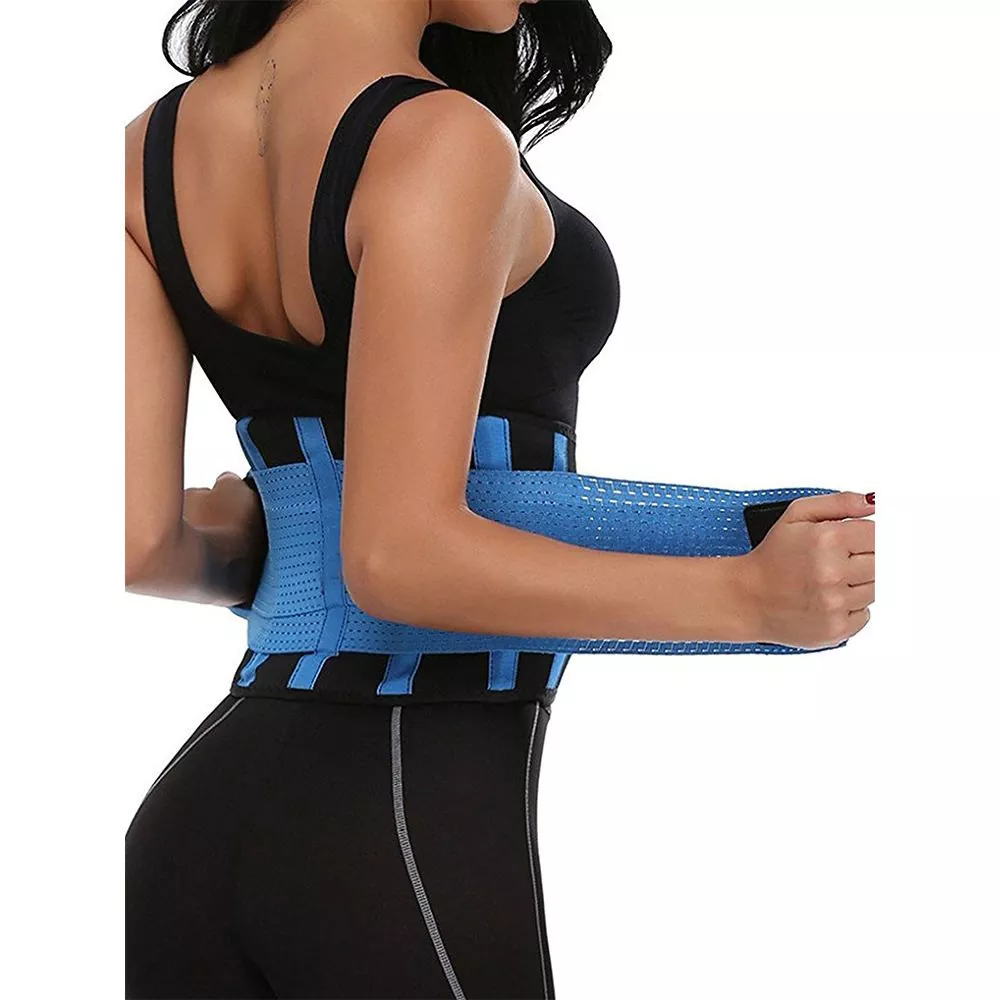
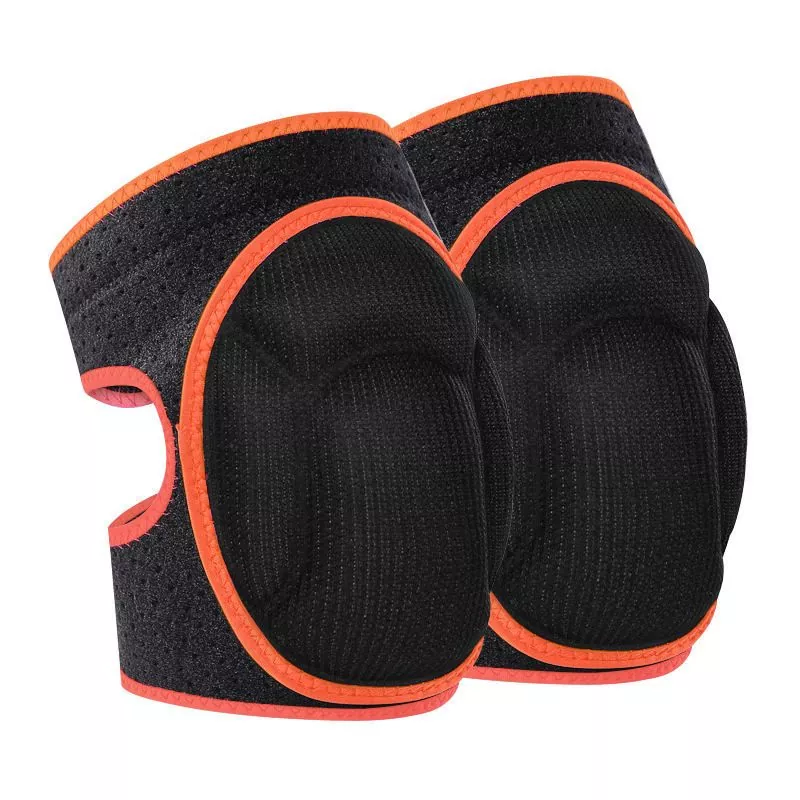
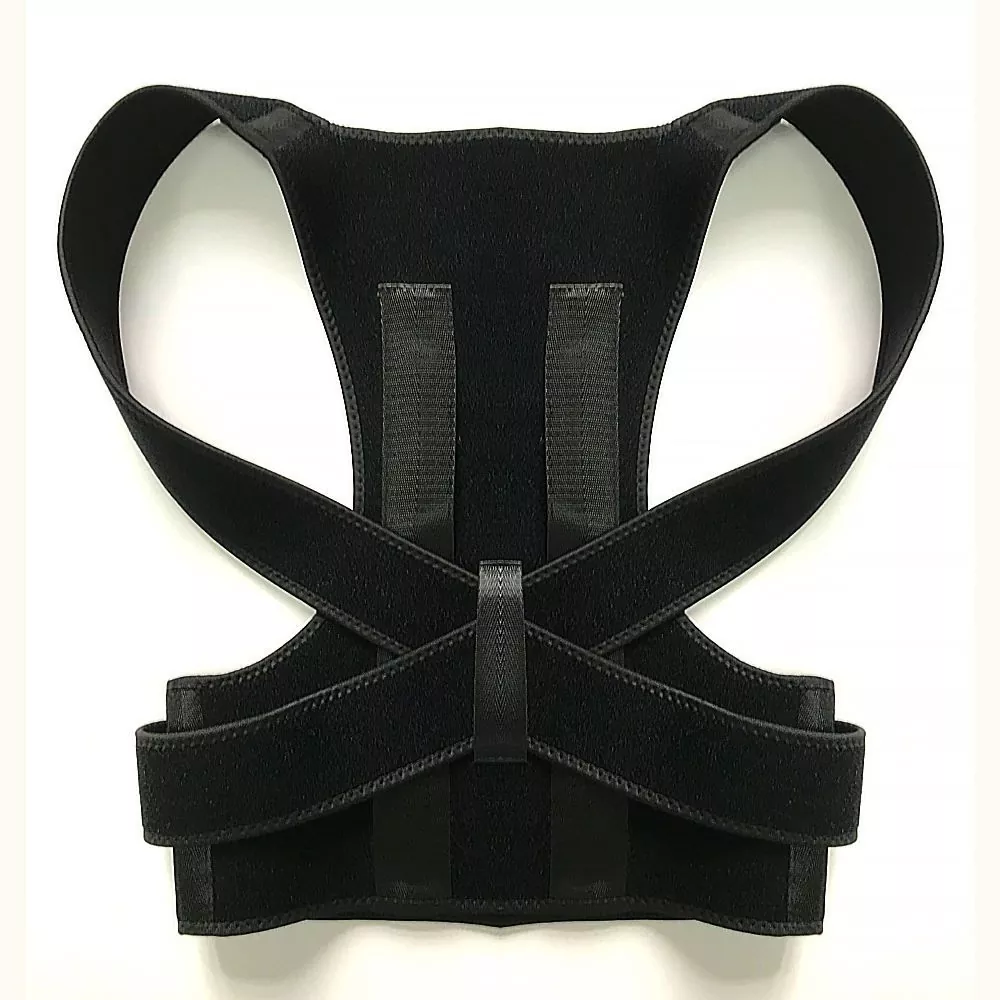
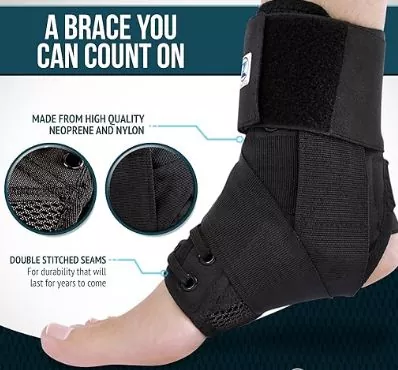
Sprained Ankle Brace Support has become an important category in the sports protection and personal healthcare industry as people pay more attention to injury prevention, comfort, and functional recovery solutions. With the growth of active lifestyles, manufacturers are continuously improving product structures, material selection, and production technologies to provide more effective support equipment for different application needs.
Sports activities, outdoor movement, and daily physical routines can place continuous pressure on joints and muscles. This has increased demand for products that help provide stability and support during recovery periods or regular activities. Modern support equipment is designed with a focus on comfort, flexibility, and practical performance rather than simple protection functions.
The development of orthopedic and sports protection products is closely connected with advances in textile technology and ergonomic design. Manufacturers are studying how different materials and structures can work together to improve wearing comfort while maintaining appropriate support levels. This trend encourages companies to create solutions that better match the needs of different users and environments.
Product structure plays an important role in support equipment performance. A well-designed structure should follow natural movement patterns and provide stable assistance without limiting normal activities. Modern designs often consider factors such as body shape, movement frequency, and long-term comfort.
Manufacturers are increasingly focusing on adjustable designs, flexible materials, and lightweight construction methods. These improvements help products provide reliable support while maintaining a comfortable feeling during extended use. The combination of functional design and user comfort has become a major direction in the development of sports protection products.
Material selection is one of the key factors influencing the quality of support products. Different fabrics and components can affect breathability, elasticity, durability, and overall wearing comfort. Manufacturers need to carefully evaluate material characteristics to ensure that finished products can maintain stable performance during regular use.
Breathability is becoming an important consideration in support product development. Materials that allow better airflow can help reduce discomfort caused by heat and moisture accumulation. This is especially valuable for products designed for longer wearing periods.
Advanced textile solutions allow manufacturers to combine softness with functional performance. By selecting suitable fabrics and improving production techniques, companies can create products that provide support while maintaining a pleasant wearing experience.
Flexibility is another important feature in modern support equipment. Materials with suitable elasticity can adapt to body movement and help maintain product positioning during different activities. This allows users to move more naturally while receiving necessary assistance.
The balance between flexibility and stability requires careful product development. Excessive stiffness may affect comfort, while insufficient support may reduce practical value. Professional manufacturers therefore focus on optimizing materials and structures to achieve better overall performance.
| Design Factor | Functional Purpose | Industry Value |
|---|---|---|
| Elastic material | Supports natural movement | Improves wearing adaptability |
| Breathable textile | Helps manage moisture | Enhances comfort during use |
| Adjustable structure | Allows flexible fitting | Supports different application needs |
| Durable construction | Maintains product reliability | Extends service performance |
As the sports protection industry develops, manufacturing quality has become a major factor affecting product competitiveness. Support products require precise production processes to maintain consistent structure, appearance, and functional performance.
Professional manufacturers need to control every stage from material preparation and cutting to sewing, assembly, and final inspection. Effective production management helps reduce quality variations and ensures that products meet expected standards for durability and comfort.
Quality management is essential for maintaining stable product performance. Manufacturers must evaluate materials, production processes, and finished products through systematic inspection procedures. These practices help identify potential issues and improve overall manufacturing efficiency.
A complete quality management system also allows companies to respond better to international market requirements. By continuously improving production methods, manufacturers can provide more reliable products and strengthen long-term development capabilities.
The sports protection industry is experiencing continuous changes as consumers expect products that combine practical functions with modern design. Traditional protection products are being improved through better materials, ergonomic concepts, and more efficient manufacturing approaches.
The integration of health awareness and active lifestyles is encouraging more people to consider supportive equipment as part of daily wellness management. This creates opportunities for manufacturers to develop products that are suitable for sports activities, outdoor environments, and everyday use.
Future product development will continue to focus on balancing support performance with comfort. Consumers increasingly prefer products that are lightweight, easy to use, and suitable for different situations. Manufacturers need to consider practical applications while maintaining strong product quality.
Design improvements are also expected to include better fitting systems, optimized materials, and improved production techniques. These developments can help create products that provide more personalized experiences while meeting changing market expectations.
Global markets require suppliers to have strong production capabilities, quality management experience, and continuous innovation ability. Companies serving international customers need to understand different application environments and maintain consistent product standards.
Professional manufacturing integration allows enterprises to improve efficiency from product development to final delivery. Research and development capabilities, skilled production teams, and advanced equipment all contribute to stronger market adaptability.
Manufacturers with integrated research, design, production, and sales capabilities can respond more effectively to market changes. This approach supports better communication between different production stages and helps improve product development efficiency.
Ningbo Chendong Sport & Sanitarian Co., Ltd., originally developed from Weilong, has established experience in sports and sanitary product manufacturing. The company integrates research and development, design, production, and sales, creating a comprehensive production system supported by advanced equipment and professional technical personnel.
The future of support product manufacturing will be influenced by material innovation, ergonomic research, and changing consumer expectations. Companies that focus on quality improvement and production efficiency will continue to play an important role in the industry.
Modern Sprained Ankle Brace Support products represent the combination of textile technology, structural design, and manufacturing expertise. Continuous improvement in these areas helps manufacturers create solutions that better support comfort, stability, and practical application requirements.
Ningbo Chendong Sport & Sanitarian Co., Ltd. continues to focus on product quality, customer satisfaction, and manufacturing development. With international market experience, advanced production capabilities, and a commitment to reliable solutions, the company provides professional sports-related products and supports the continued growth of the global protection industry.